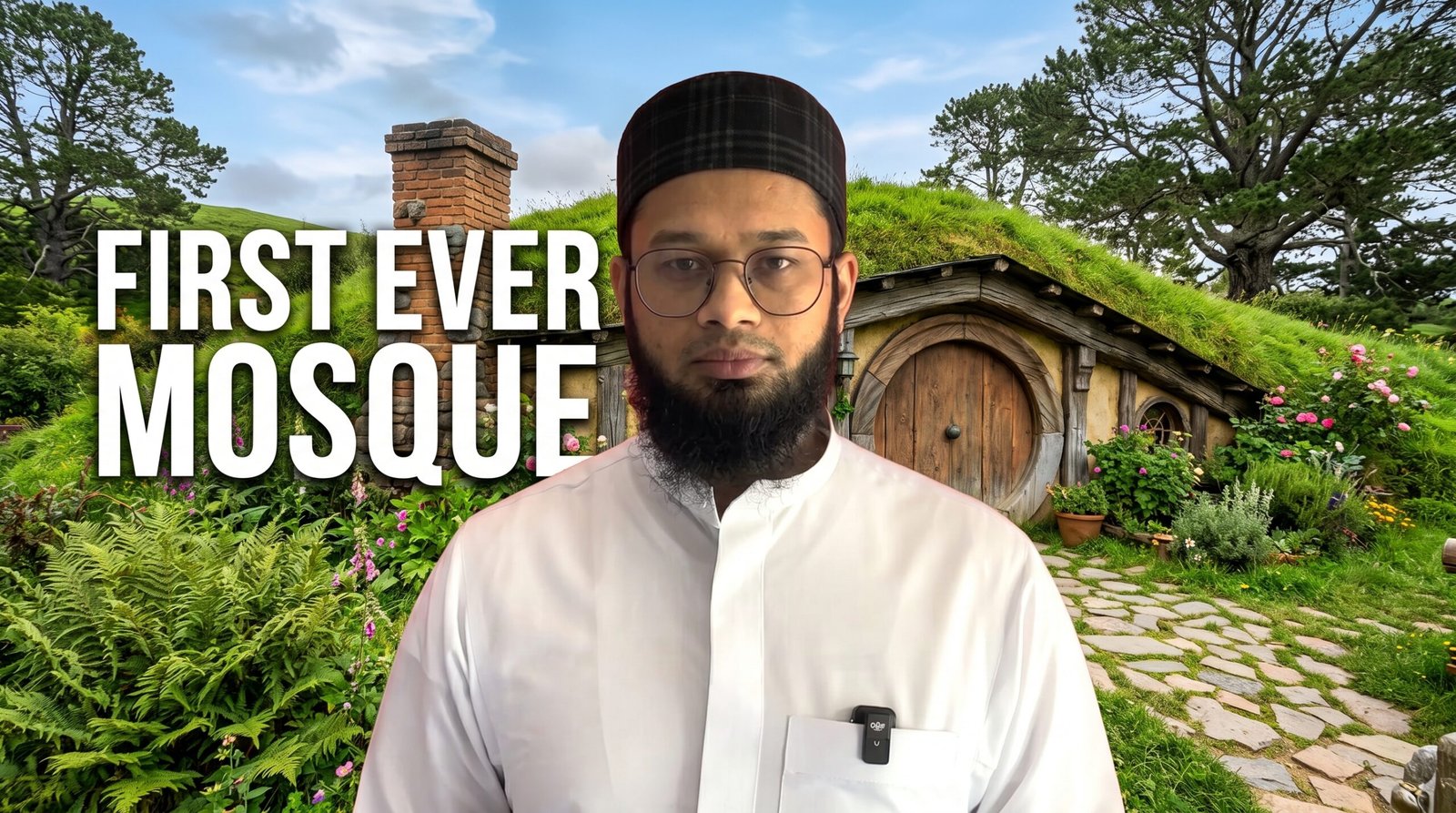
The Sacrifice Behind Building a Muslim Community
Reflections from the khutbah marking the very first Jummah established for the Muslim community in Rainham
Alhamdulillah, a milestone worth pausing on: the first Jummah prayer has now been established for the Muslim community in Rainham. It’s easy, in a moment like this, to feel only the celebration of it. But the khutbah marking the occasion turned to something more instructive — what did it actually take, historically, to build a Muslim community from nothing? And what does that mean for the responsibility now sitting with everyone who was part of that first Jummah?
One Man, Sent With a Mission
When Allah decided to build the final ummah, He didn’t build an institution first — He sent one man, with knowledge and guidance, described in the Qur’an as a mercy to the entire creation. But the story of that ummah’s survival wasn’t only about what the Prophet ﷺ did during his lifetime. It was about what he made sure existed after it.
In his final sermon, the Prophet ﷺ told the companions to hold onto two things after him — the Qur’an and the Sunnah — promising that as long as they did, they would never go astray. And in his last days, too ill even to walk from his room to the masjid, he opened the curtains, saw the rows of companions praying behind Abu Bakr, and smiled. The scholars explain why: he saw, in that moment, that his ummah was ready to continue without him.
That readiness didn’t appear by accident. It was built — deliberately, and by many hands, from the very first day of the message.
It Was Never One Person’s Work
From the outset, spreading the message wasn’t left to the Prophet ﷺ alone. Abu Bakr, immediately upon learning of the Prophet’s mission, went straight to the people he knew and trusted and began inviting them to Islam. Within a short time, he had brought five men into the fold — among them Uthman ibn Affan, who would go on to become the third Caliph, and others whose acceptance of Islam is now remembered among the ten companions given the glad tidings of Paradise in this life.
It’s worth pausing on the scale of that: had Abu Bakr not personally sought out and invited Uthman, an empire that would eventually stretch from east to west might never have had the leader it did. The ripple effects of one person’s effort to call another to faith are, quite literally, incalculable.
Building the First Masjid — Together
Years later, in Medina, the pattern repeated itself at a community level. When the Prophet ﷺ needed to establish the first masjid, it wasn’t a solitary project. The land had to be located — it belonged to two young orphaned boys — and rather than accept it as a free gift, the Prophet ﷺ insisted they be paid fairly, understanding their need for that money. Funds were needed to purchase it, and Abu Bakr, a wealthy businessman, stepped forward to provide them.
And then came the labour itself. The companions carried bricks, one at a time, back and forth, chanting as they worked. The Prophet ﷺ — the greatest of all creation — didn’t stand back and observe. He joined in, working alongside them, and was heard making dua for the reward of the hereafter upon the Ansar (the helpers of Medina) and the Muhajireen (those who had migrated there) as they built.
Nobody in that scene was exempt from the work because of their status. That, perhaps, is the entire point.
What This Means for Rainham
The parallel isn’t subtle, and it isn’t meant to be. Establishing a Jummah in a new place — as has now happened here in Rainham — carries the same underlying truth the seerah keeps returning to: community is never built by one person, and it’s never finished by the first milestone. It takes people willing to make calls like Abu Bakr did, people willing to fund what needs funding, and people willing, quite literally in some cases, to carry the bricks.
The honour of being among the first to establish something is real — and so is the responsibility that comes with it. What was true in Medina remains true now: everyone has a role to play in building this ummah, wherever it’s being built.
May Allah accept the efforts of everyone who has contributed to establishing this Jummah in Rainham, and grant this community the same readiness to carry on and grow that He gave the very first ummah. Ameen.
Frequently Asked Questions
Who were the first people Abu Bakr invited to Islam? Among the first five people Abu Bakr personally invited to Islam were Uthman ibn Affan (who later became the third Caliph), Zubayr ibn al-Awwam, Abdul Rahman ibn Awf, Talha ibn Ubaidillah, and Saad ibn Abi Waqqas — several of whom are counted among the ten companions given the glad tidings of Paradise in this life.
Who built Masjid an-Nabawi in Medina? The first masjid in Medina was built as a full community effort. The land was purchased from its young orphaned owners (rather than accepted for free), funded by Abu Bakr, and physically constructed by the companions themselves, with the Prophet ﷺ personally joining in the labour of carrying and laying bricks.
Why did the Prophet ﷺ smile when he saw the companions praying without him? In his final illness, too weak to lead prayer, the Prophet ﷺ saw the companions praying in organised rows behind Abu Bakr and smiled — understood by the scholars as a sign of his relief and joy that the ummah was ready and able to continue after his passing.
Where can I get involved with the Rainham Muslim community? Visit rainhammercy.com for prayer times, updates, and how to get involved with the RAHMA Rainham project as it works towards a permanent masjid.
